Arbor Replacement in Wilmington, NC
Arbor replacement services involve removing and replacing trees that are unhealthy, damaged, or no longer suitable for a property. This type of work is commonly requested for projects such as removing hazardous or dead trees, clearing space for new landscaping, or replacing trees that have outgrown their location. Property owners often seek this service to maintain safety, improve curb appeal, or ensure the health of their landscape, and they typically want to understand the specific types of trees that can be replaced, the best timing for removal, and the considerations for selecting new trees to plant.
Before requesting arbor replacement, homeowners should consider the overall health and stability of existing trees, as well as any local regulations or permits that might apply to tree removal. It’s also helpful to understand the different species suitable for replacement, the impact on surrounding landscaping, and the appropriate times of year for planting new trees. Clear communication about the property's landscape needs and future goals can help ensure the replacement process aligns with the property’s aesthetic and safety requirements.
Many property owners in Wilmington, NC look into Arbor Replacement for repairs, replacements, upgrades, and appearance-related improvements.
Signs You Need Tree Replacement
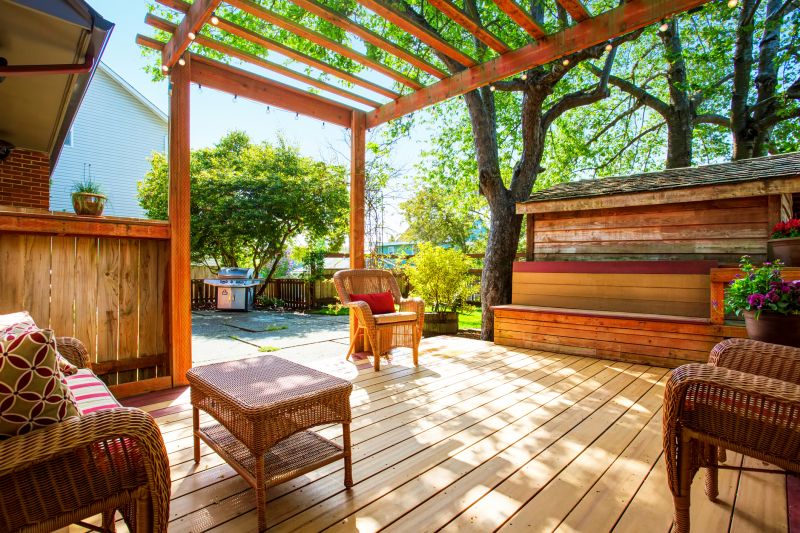
Dead or diseased trees can pose safety risks and may require removal and replacement.
Choosing The Right Replacement Trees
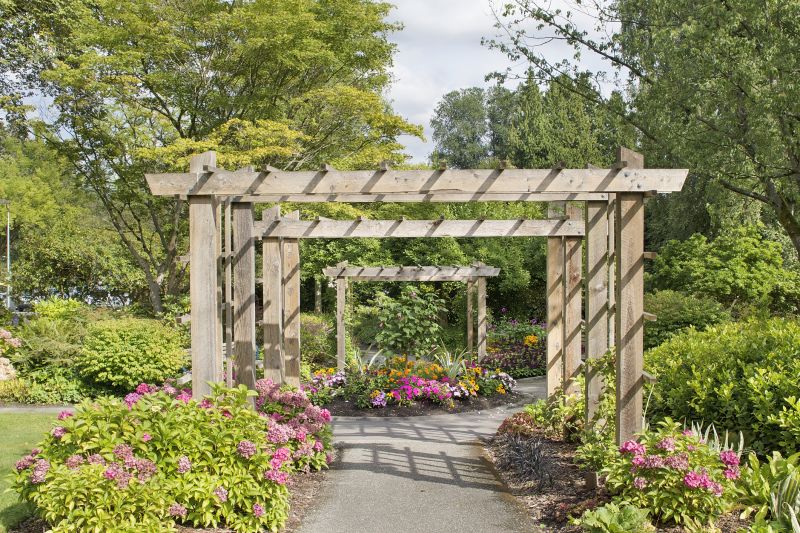
Selecting appropriate species ensures healthy growth and enhances the beauty of wilmington properties.
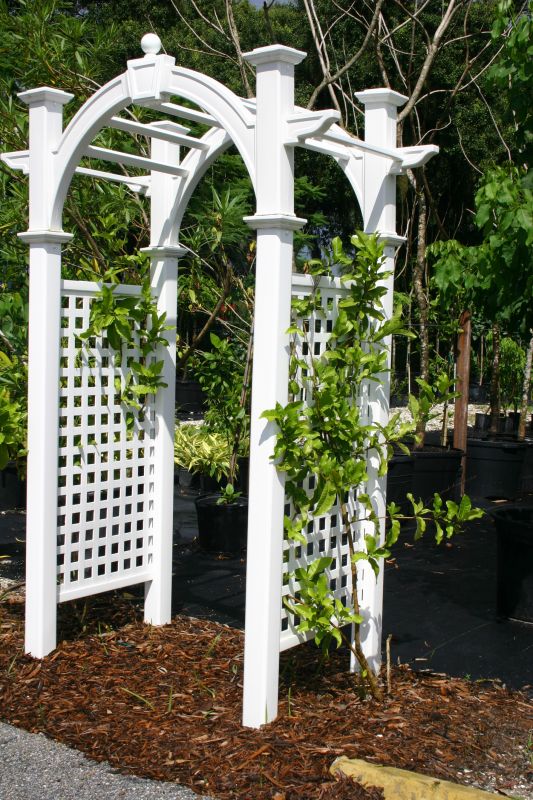
Proper Tree Replacement Techniques
Professional installation helps ensure the longevity and stability of new trees on residential and commercial properties.
Arbor Replacement in Wilmington, NC
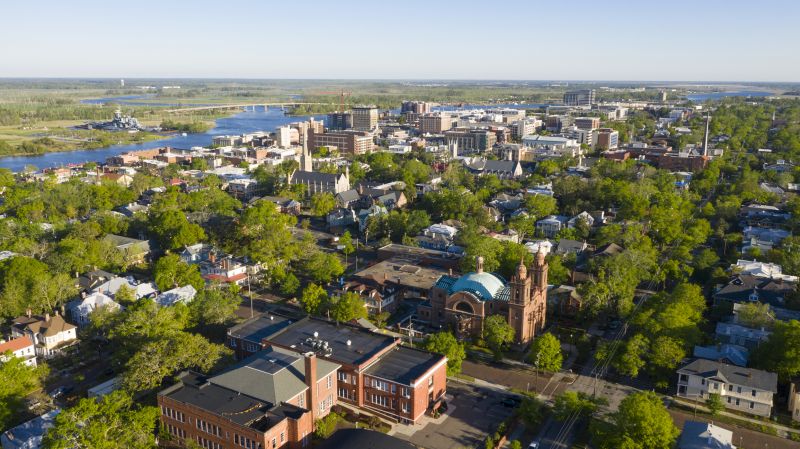
Arbor replacement services involve removing and replacing trees that are unhealthy, damaged, or no longer suitable for a property. This type of work is commonly requested for projects such as removing hazardous or dead trees, clearing space for new landscaping, or replacing trees that have outgrown their location. Property owners often seek this service to maintain safety, improve curb appeal, or ensure the health of their landscape, and they typically want to understand the specific types of trees that can be replaced, the best timing for removal, and the considerations for selecting new trees to plant.
Before requesting arbor replacement, homeowners should consider the overall health and stability of existing trees, as well as any local regulations or permits that might apply to tree removal. It’s also helpful to understand the different species suitable for replacement, the impact on surrounding landscaping, and the appropriate times of year for planting new trees. Clear communication about the property's landscape needs and future goals can help ensure the replacement process aligns with the property’s aesthetic and safety requirements.
Many property owners in Wilmington, NC look into Arbor Replacement for repairs, replacements, upgrades, and appearance-related improvements.
Common Arbor Replacement Jobs
Tree Removal - safely removing damaged or hazardous trees to protect property and safety.
Stump Grinding - eliminating tree stumps to improve landscape appearance and prevent pest issues.
Tree Trimming - shaping and pruning trees to promote healthy growth and maintain property aesthetics.
Emergency Tree Service - responding to storm damage or fallen trees that pose immediate risks.
Tree Health Assessments - evaluating tree conditions to determine if replacement is necessary.
Complete Tree Replacement - replacing old or unhealthy trees with new, suitable species for the landscape.
Arbor Replacement Questions
When should a tree be replaced instead of preserved? Replacement may be recommended if a tree is severely damaged, diseased, or poses safety concerns that cannot be mitigated through other treatments.
What types of trees are suitable for replacement? Common choices include deciduous and evergreen trees that match the landscape and provide desired shade, privacy, or aesthetic value.
How is the new tree selected for replacement? Selection considers the local climate, soil conditions, and the specific needs of the property to ensure healthy growth and longevity.
What are the benefits of replacing an old or unhealthy tree? Replacing a problematic tree can improve property safety, enhance curb appeal, and promote healthier landscape development.
Request Arbor Replacement in Wilmington, NC
Use the quote form on this page to share the basics of your project and request more information for the type of work you need.